Home
Virtual Reality Medical Institute (VRMI) is a Belgian corporation located in Brussels. It is affiliated with Virtual Reality Medical Center (VRMC), a California Medical Corporation headquartered in San Diego, California. VRMI was selected to participate in the June 2013 Belgian Economic Mission to California, led by Prince Philippe, now King Philippe, of Belgium.
Our Belgian Institute is focused on Research Studies, Consulting and Project Dissemination. Virtual Reality clinical services are currently available only at our California-based clinics. If you live in Southern California, you may wish to come once a week for treatment. For those coming from out of the area, you may wish to come to one of our clinics for Condensed Treatment, with daily sessions over a two-week time period available at both our Sorrento Valley and La Jolla, California clinics (www.vrphobia.com or www.fearofflyingexpert.com).
Please note: Virtual Reality Medical Institute was formally closed in March 2022, and all inquiries for treatment and consulting are being handled by our U.S. affiliate, Virtual Reality Medical Center, which was founded in 2001. It maintains its headquarters in San Diego, California and has worked internationally in Europe and Asia since the early 2000s. We look forward to continuing to work with you through our U.S. corporation. We are licensed in Belgium by the Belgian Psychology Commission/Psychologencommissie/Commission des Psychologues.
We look forward to continuing to offer our clients in Belgium sessions via telehealthVR. Please visit us at https://www.vrphobia.com for further information.
VRMI established the first Belgium-based Virtual Reality (VR) and Biofeedback-enhanced Cognitive Behavioral Healthcare Institute. VRMI focuses on medical and psychological research studies using Virtual Reality technology, as well as participating in EU projects, NATO projects and EU consulting.
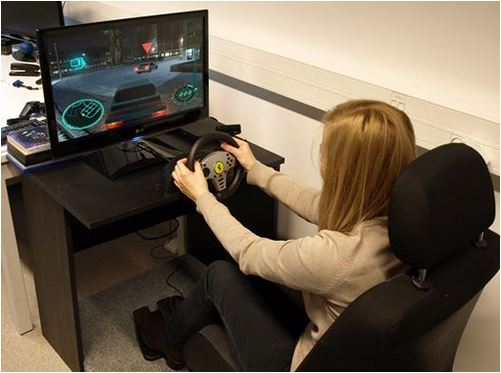
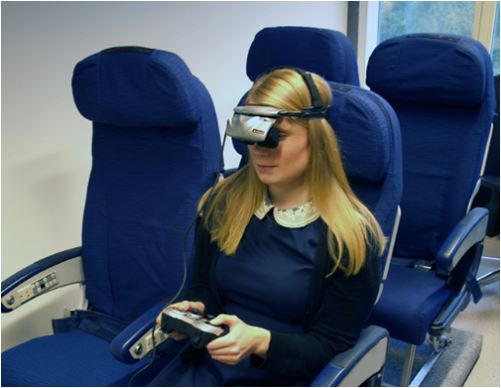
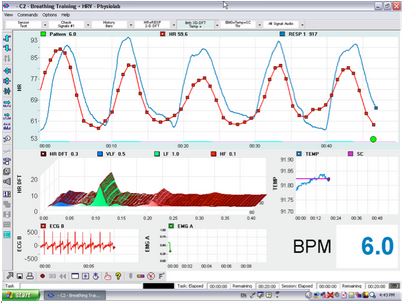
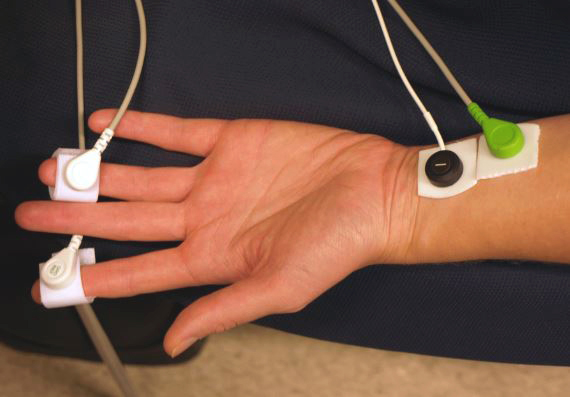
Using a Combined Communications Platform of an annual international conference (www.interactivemediainstitute.com), specialized workshops, clinician training courses, a peer-reviewed scientific journal, a quarterly magazine, and a website information portal, VRMI is also active in informing and educating the general public, policymakers, funding agents, industry and academia. Having been involved in R&D projects in Europe, Asia, and the U.S. for the past 30 years, the principals of VRMI are now bringing their clinically-validated products and protocols to the private practice setting.
VRMI has established affiliates in both China and the U.S. and envisages the healthcare of the future. VRMI has expertise in simulation technologies in three main areas: 1) treating patients with phobias, panic, agoraphobia, stress, pre-surgical anxiety, stress-related disorders, chronic pain, burnout and chronic medical conditions; 2) training for military medical and civilian first responder populations, and 3) enhancing medical educational programs. Working closely with the Belgian Erasmus Program and the University of California, San Diego, VRMI also serves as a mentor to Young Entrepreneurs, pre-doctoral interns and post-doctoral fellows.
For more information please contact: frontoffice@vrphobia.com or visit our FAQ page on this website.